
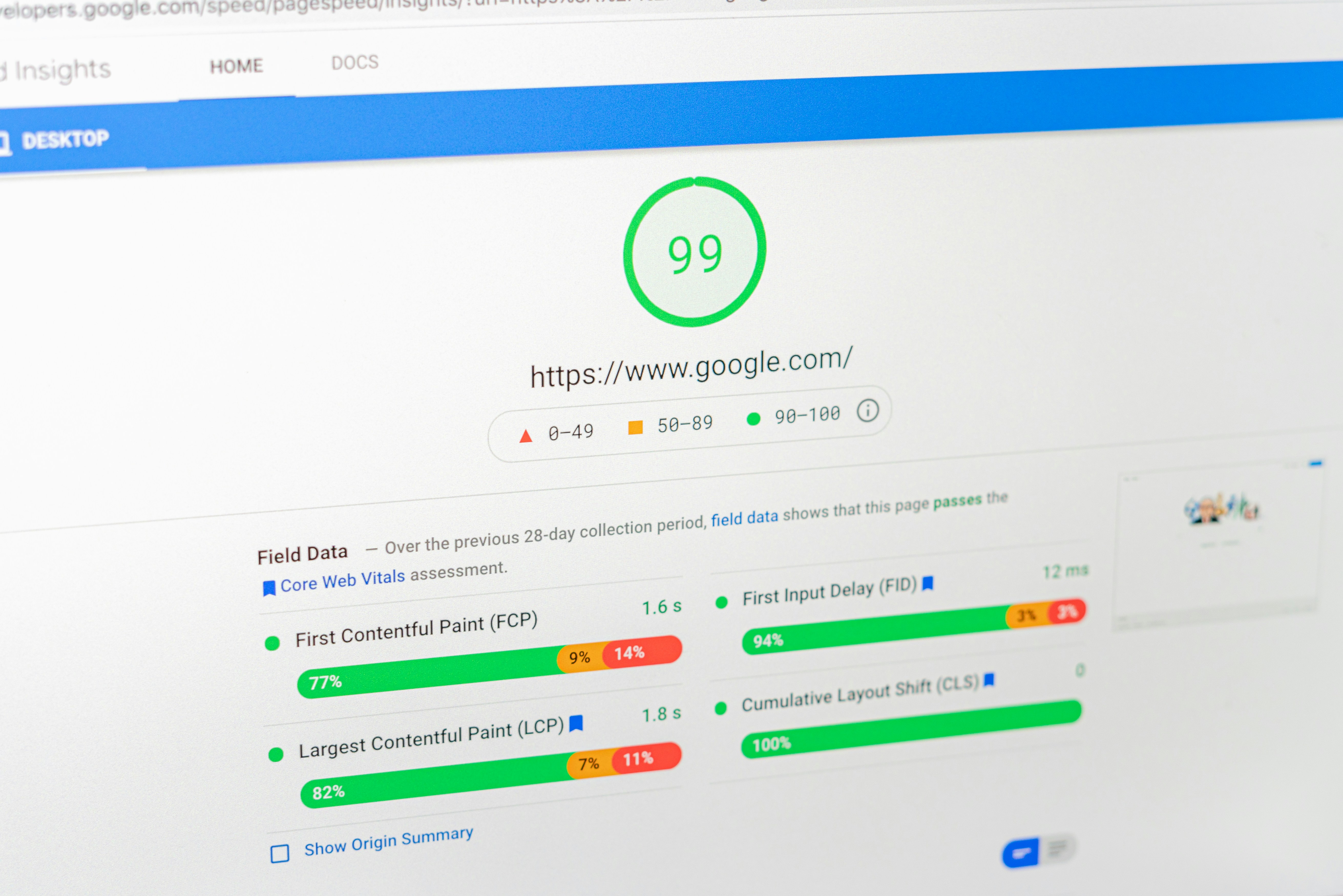
The Impact of Speed on User Experience
In the digital age, users have developed heightened expectations when it comes to website loading times. Research indicates that a mere fraction of a second can dictate whether a visitor stays on a site or opts to navigate away. Statistics reveal that approximately 47% of users expect a website to load in two seconds or less. When a site takes longer than this, there is a significant drop in user satisfaction and engagement.
Moreover, our patience levels have decreased notably over the years. For instance, a study conducted by Google found that 53% of mobile users will abandon a page that takes longer than three seconds to load. This trend underscores the urgent need for businesses to ensure their websites operate optimally; otherwise, they risk losing valuable leads to competitors with faster platforms. The advent of instant services and rapidly improving technology has only intensified these expectations.
An effective loading speed is generally deemed to be under two seconds for desktop sites and under three seconds for mobile. When users encounter slow-loading websites, psychological responses can include frustration, impatience, and even feelings of distrust. A slow website, therefore, does not merely create a frustrating user experience but also diminishes the perceived credibility of the brand represented by that site. Numerous studies have revealed a direct correlation between loading speed and user engagement: faster sites lead to longer visit durations and a higher likelihood of conversions.
In conclusion, the speed of a website plays a crucial role in shaping user experience. A site like iglobalweb can set the standard for performance, highlighting the importance of maintaining a fast-loading, efficient online presence. Businesses must prioritize website speed to ensure a positive and engaging experience for their users.
Connection Between Speed and Conversion Rates
The relationship between website speed and conversion rates is one that cannot be overstated, especially in the digital landscape where every second counts. Research indicates that a mere one-second delay in page load time can lead to a stunning 7% reduction in conversions. For e-commerce sites, this can translate into significant revenue losses, underscoring the importance of optimizing page speed.
Case studies further illustrate the negative impact of slow-loading websites on businesses. For instance, a prominent online retailer noticed a dramatic drop in sales when their load times extended beyond three seconds. The immediate response was to invest in improving their website speed, resulting in an increase of conversion rates by up to 20% post-implementation. This not only enhances user satisfaction but also reinforces the perception of quality associated with the brand.
Moreover, studies show that about 40% of users abandon a website that takes more than three seconds to load. This abandonment is directly linked to poor website performance, which dramatically affects lead generation. When potential customers encounter sluggish pages, they are unlikely to engage with the content or explore further offerings. It creates a negative user experience that can deter repeat visits and diminish overall brand loyalty.
From a broader perspective, websites like iglobalweb highlight the significance of adopting efficient design practices to combat slow loading times. Implementing measures such as optimizing images, leveraging browser caching, and using Content Delivery Networks (CDNs) are all effective strategies that can enhance loading times, thus contributing positively to lead conversion rates.
SEO Implications of a Slow Website
In today’s digital landscape, a website’s loading speed plays a crucial role not only in user experience but also in search engine optimization (SEO). Major search engines, including Google, have incorporated site speed as a vital factor in their ranking algorithms. Websites that load slowly may experience decreased visibility in search results, negatively impacting their traffic and, consequently, potential leads.
Research indicates that the optimal loading time for web pages should ideally be under three seconds. Pages that exceed this threshold can experience higher bounce rates; visitors are likely to abandon a slow-loading site in search of faster alternatives. Thus, the relationship between loading speeds and user retention is integral to understanding how SEO performance can be adversely affected. Search engines observe how users interact with your site, and a high bounce rate signals to them that your webpage may not provide valuable content, which may lead to lower rankings.
Moreover, Google has progressively emphasized the importance of user engagement metrics in determining site quality. Page speed is a key metric that influences these factors, along with content quality and relevance. Websites like iglobalweb, which prioritize fast loading times and responsive design, are often favored in search rankings. Therefore, investing in optimizing loading times is not merely a matter of aesthetics but is fundamentally linked to improving SEO outcomes. By ensuring optimal site performance, organizations can enhance their visibility online, thereby attracting more traffic and leads.
To summarize, the SEO implications of a slow website are profound. Businesses must prioritize improving their site speeds to enhance their rankings and foster better user retention. This strategic enhancement can ultimately lead to increased lead generation and conversion rates, illustrating the cascading effect of site performance on overall success.
Strategies for Improving Website Speed
Enhancing website speed is crucial, as a slow-loading site can significantly impact user experience and lead generation. One foundational strategy is image optimization. By compressing images without sacrificing quality, you can dramatically reduce the size of your web pages and improve load times. Tools such as TinyPNG and ImageOptim are excellent resources for this purpose, allowing you to easily optimize images in bulk.
Another effective technical solution is script minification. By reducing the size of CSS and JavaScript files, you can further decrease load times. Minification works by removing unnecessary characters, comments, and whitespace from your code. Utilizing tools like UglifyJS for JavaScript and CSSNano for CSS will facilitate this process, making your site faster and more efficient.
Furthermore, it is important to focus on reducing server response time. This can be achieved by optimizing server configurations and utilizing Content Delivery Networks (CDNs). CDNs store cached versions of your site in multiple locations around the globe, enabling faster data retrieval for users, irrespective of their geographic location. Leveraging services like Cloudflare or AWS may yield significant benefits in terms of speed and reliability.
Additionally, employing browser caching is a valuable practice that can store frequently accessed data on a user’s device. This minimizes the need for repeated server requests, thereby speeding up page load times for returning visitors. Tools like Google PageSpeed Insights allow you to analyze your site’s performance and identify areas for enhancement.
Lastly, consistent monitoring of your website’s speed is essential. Utilizing performance testing tools such as GTmetrix or Pingdom can provide insights into your current speed and suggest further improvements. By adopting these strategies, you can effectively boost your website’s speed, enhance user experience, and ultimately drive more leads to your business.