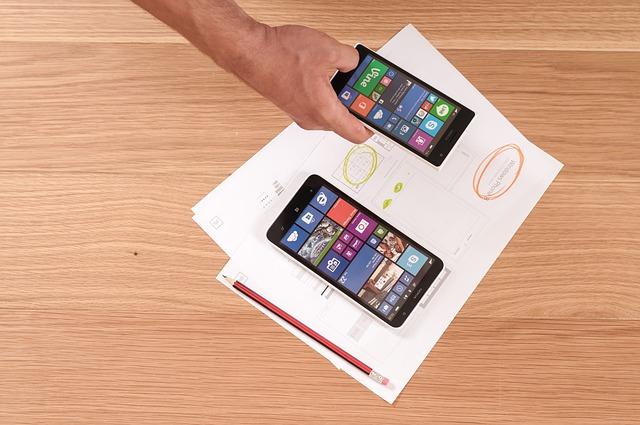

Introduction to First Impressions
First impressions play a crucial role in various aspects of human interaction, influencing perceptions and determining the direction of relationships. This concept is equally vital in the digital landscape, where users form opinions about a website within seconds of visiting. The human brain is wired to assess situations quickly, and these rapid evaluations often lead to lasting opinions that can significantly impact user behavior and engagement.
In the realm of web design, the importance of first impressions cannot be overstated. When users encounter a website, their initial experiences can dictate whether they choose to stay or leave. A well-designed website can evoke confidence, professionalism, and trustworthiness, whereas a poorly designed one may elicit negative feelings and prompt users to seek alternatives. This immediate judgment can shape potential customers’ beliefs about a brand, making it imperative for web designers to prioritize creating effective first impressions.
User perceptions are influenced by various design elements, including aesthetics, usability, and content. A visually appealing layout, intuitively navigable interface, and relevant information can work in harmony to foster a favorable first impression. In contrast, cluttered layouts, slow loading times, and outdated designs can quickly turn users away. Thus, the intersection of web design and user perception becomes a critical area for developers to explore, delineating how design choices directly impact user engagement.
As the online space becomes increasingly competitive, understanding the psychology behind first impressions can guide designers in crafting experiences that resonate with users. By leveraging effective visual design principles and prioritizing user experience, web designers can create impactful first impressions that encourage viewer retention and foster positive interactions.
The Psychological Impact of First Impressions
The concept of first impressions is deeply rooted in psychological principles that greatly influence user perception, particularly in web design. Research in psychology suggests that individuals form judgments about a website and its associated brand within seconds of encountering it. This immediate assessment is often governed by cognitive biases, including the halo effect, which can significantly shape a user’s overall impression.
The halo effect is a cognitive bias where a positive trait, such as an appealing design or a well-organized layout, can enhance the perception of other, unrelated attributes of the website or brand. For instance, if a website is visually appealing, users may also believe that the content is credible, the product is high-quality, or the service is trustworthy, even without further evidence. This highlights the importance of aesthetic considerations in web design, as they can forge an impactful first impression that transcends the initial interaction.
Moreover, the design functionality and user experience play pivotal roles in forming first impressions. A website that is easy to navigate, loads quickly, and provides clear information encourages users to engage further. In contrast, a poorly designed website with slow loading times or confusing layouts can lead to negative perceptions, resulting in users leaving the site prematurely. Such interactions create lasting impressions that can deter future engagement with the brand.
Understanding these psychological principles enables web designers and companies to create websites that resonate with users immediately. Through intentional design choices and a focus on enhancing user experience, brands can leverage the power of first impressions to foster trust, encourage exploration, and ultimately drive conversions. The lasting impact of initial encounters in shaping brand perceptions cannot be underestimated.
Key Elements that Shape First Impressions
First impressions in web design are significantly influenced by various visual elements, each carrying its own emotional weight. Understanding these key design components—color schemes, typography, layout, and imagery—is essential for creating an engaging user experience that resonates with visitors.
Color schemes play a pivotal role in shaping emotions and perceptions. Different colors evoke distinct feelings; for instance, blue is often associated with trust and reliability, making it a popular choice for corporate websites. In contrast, vibrant shades like red can create a sense of urgency or excitement. By selecting an appropriate color palette, designers can enhance the appeal of their sites, ensuring that the emotional tone aligns with the brand’s message and values.
Typography is another crucial element in web design. The choices surrounding font styles, sizes, and spacing not only affect readability but also set the overall tone of the website. Fonts can convey formality, playfulness, or modernity, and hence, selecting the right typography is essential in establishing a connection with users. For example, serif fonts often communicate tradition and reliability, while sans-serif fonts suggest a more contemporary and approachable feel.
Layout determines how information is organized and accessed, which is critical to user experience. A well-structured layout guides visitors through the content effortlessly, creating a sense of order and clarity. Conversely, a cluttered or confusing arrangement can lead to frustration, prompting users to leave the site prematurely. Effective use of white space can greatly enhance the layout, allowing key elements to stand out and improving overall navigation.
Lastly, imagery serves to captivate users and convey messages quickly. High-quality visuals can establish authenticity and appeal, while poor-quality images may detract from the user experience. Effective imagery complements the content and reinforces the intended emotional response, making it integral to first impressions.
Mobile Responsiveness and User Experience
In today’s digital landscape, mobile responsiveness is a critical component of web design that can significantly impact first impressions. With the increasing use of smartphones and tablets for browsing, a website’s performance on mobile devices has become a determining factor for user engagement. A well-designed, mobile-responsive site ensures that content is easily accessible regardless of the screen size, thus enhancing the overall user experience.
When users visit a website on their mobile devices, they expect fast loading times and an intuitive layout that is optimized for touch navigation. If a site performs poorly in these aspects, it can lead to frustration and immediate abandonment. Research has shown that websites that are not mobile-friendly can quickly diminish credibility, as users are likely to associate a lack of responsiveness with low-quality service or outdated design. Therefore, prioritizing mobile responsiveness can effectively influence first impressions and foster positive user perceptions.
Moreover, mobile responsiveness affects not only how users perceive a brand but also how they interact with the content. A seamless experience across devices can improve user retention rates, as satisfied visitors are more likely to return. Additionally, search engines like Google prioritize mobile-friendly websites in search rankings, which enhances visibility and attracts more potential users. Through a focus on responsive web design, businesses position themselves advantageously in the competitive online environment.
Ultimately, the goal of any website should be to create a positive and engaging user experience that encourages interaction and exploration. By ensuring mobile responsiveness, designers play a pivotal role in shaping first impressions and fundamentally supporting user satisfaction and retention.
The Role of Speed and Performance
In the realm of web design, speed and performance play a critical role in shaping a user’s first impression. As the digital landscape continues to evolve, user expectations regarding loading times have heightened significantly. Research indicates that users expect a website to load in two seconds or less; anything longer can lead to frustration and potential disengagement.
When a website fails to meet these performance expectations, the ramifications are often immediate and detrimental. Slow loading times can lead to negative perceptions of a brand, as users may associate poor performance with a lack of professionalism or reliability. Furthermore, when visitors experience delays, they are more likely to abandon the site entirely, resulting in elevated bounce rates. A website that doesn’t load within an optimal timeframe not only risks losing traffic but also jeopardizes its conversion potential, as users are less inclined to complete purchases or engage with the content.
Additionally, the impact of speed extends beyond initial user impressions; it also influences search engine rankings. Major search engines, such as Google, take website loading times into account when determining search rankings. A sluggish site may not only repel potential visitors but also hinder visibility in search results. Therefore, web designers and developers must prioritize speed and performance as integral components of the user experience.
To enhance performance, web designers can implement several strategies, such as optimizing images, reducing server response times, and utilizing browser caching. By addressing these factors, designers can create a faster, smoother experience that meets users’ expectations, thereby leaving a positive first impression and encouraging users to explore the site further.
Case Studies of Effective First Impressions
Web design plays a crucial role in forming first impressions, and several notable websites exemplify effective design strategies that captivate users from the moment they land on the page. An analysis of these sites reveals a common set of design choices that dramatically influence user experience and engagement.
One striking example is the website of Apple. The simplicity and elegance of Apple’s design create an immediate sense of trust and professionalism. Clean lines, ample white space, and high-quality images of products draw attention while ensuring that users are not overwhelmed. The strategic placement of calls to action invites visitors to explore further, enhancing their overall experience. By focusing on aesthetics and functionality, Apple effectively communicates its brand ethos, thereby leaving a lasting impression.
Another example can be drawn from Airbnb, which effectively employs visuals to connect with its audience on an emotional level. Their homepage features stunning imagery of diverse destinations, immediately evoking a sense of wanderlust. The user-friendly navigation and clear search functionality enhance usability, encouraging users to delve deeper into the platform. By creating an inviting atmosphere through design and imagery, Airbnb successfully establishes a welcoming first impression that aligns with its mission of connecting travelers and hosts.
Similarly, the website for National Geographic captures visitors’ attention through its stunning photography and vibrant visuals. The layout is intuitive, with articles prominently featured and easy-to-navigate menus that maintain user engagement. By utilizing a combination of compelling visuals and informative content, National Geographic fosters an immersive experience, making visitors favorably inclined towards its brand. These examples illustrate that successful first impressions in web design stem from thoughtful aesthetic choices, enriching users’ experiences and setting the tone for lasting interactions.
Common Mistakes to Avoid in Web Design
When creating a website, a multitude of factors must be considered to ensure positive first impressions. Unfortunately, numerous pitfalls can adversely affect user experience and mitigate the effectiveness of the design. One significant mistake is the use of cluttered layouts. A disorganized presentation can overwhelm visitors with information, making navigation cumbersome. A clean, well-structured layout is essential for guiding users’ attention and facilitating seamless interaction with the content.
Another common issue is the overuse of pop-ups. While these can be valuable for gathering email subscriptions or promoting special offers, excessive pop-ups can frustrate users. They disrupt the browsing experience, leading to increased bounce rates. Instead of using multiple pop-ups, it is beneficial to limit their usage to one or two strategically placed instances throughout the browsing process. This approach allows for effective communication without alienating visitors.
Inconsistent branding is another critical error to avoid in web design. A website should communicate a cohesive identity; therefore, elements such as logos, color palette, and typography must be uniform throughout the site. Disparities in design create confusion and can detract from the brand’s reliability. When visitors perceive inconsistencies, they may question the professionalism of the website, potentially leading to reduced trust and engagement.
In addition, the choice of typography plays an integral role in web design. Poorly chosen fonts or excessive variations can negatively impact readability, making it challenging for users to engage with the content. It’s advisable to select clear and legible fonts that maintain harmony with the overall design aesthetic.
By reducing clutter, limiting pop-ups, ensuring consistent branding, and selecting appropriate typography, designers can enhance user experience, fostering a positive first impression that encourages further interaction with the website.
Measuring First Impressions and User Feedback
Understanding first impressions in web design is essential for creating an effective user experience. Various methods can be employed to evaluate how users perceive a website upon their first visit. These approaches often rely on user feedback, A/B testing, and analysis of comprehensive data analytics.
One of the most direct ways to gauge first impressions is through user feedback surveys. By prompting users with questions about their immediate reactions after visiting a site, designers can gain insights into aspects that resonate well and those that may need improvement. Utilizing tools like pop-up surveys or follow-up emails can provide valuable qualitative data that sheds light on users’ initial thoughts.
A/B testing serves as another highly effective method for measuring first impressions. This technique involves creating two versions of a webpage—Version A and Version B—and comparing user interactions with each. By tracking metrics such as click-through rates, bounce rates, and time spent on the page, designers can discern which version delivers a more favorable first impression. A/B testing not only assesses visual aesthetics but also evaluates functional elements, allowing for a detailed understanding of what attracts and retains users’ attention.
Furthermore, analytics tools can illuminate user behavior patterns, helping designers view data from a broader perspective. By analyzing performance indicators such as page load times and navigation flows, designers can ascertain how these elements contribute to the users’ first impressions. A slow-loading page or confusing layout can adversely affect initial perceptions, leading to high bounce rates and lost opportunities. Therefore, a focused approach to analytics offers designer teams the ability to adapt and optimize the web design based on real-time user reactions.
In conclusion, meticulously measuring first impressions through user feedback, A/B testing, and analytics is vital for enhancing web design. By actively seeking out and analyzing user responses, designers can refine their approach and create websites that leave a lasting positive impact on visitors.
Conclusion: The Lasting Effects of First Impressions
The significance of first impressions in web design cannot be overstated. A user’s initial interaction with a website often dictates their perception of the brand and their willingness to engage further. The design elements, such as layout, color scheme, typography, and navigational ease, play a critical role in shaping this impression. Research has demonstrated that users tend to form opinions about a website within mere seconds; thus, effective design can either captivate users or drive them away. Therefore, web designers must prioritize creating a favorable first impression, as it directly impacts user loyalty and overall brand perception.
When users encounter a visually appealing and intuitively designed website, it fosters a sense of trust and credibility. Trust is a crucial factor that influences user behavior; if visitors feel confident in the site’s professionalism and functionality, they are more likely to explore additional content, make purchases, or return in the future. Conversely, a poorly designed site may lead to frustration and a swift exit, diminishing any opportunity for brand engagement. The cumulative effect of these choices contributes to long-term user loyalty, which is vital for the sustained success of any digital platform.
Furthermore, a positive first impression promotes a favorable word-of-mouth reputation. Users are inclined to share their pleasant experiences with others, thereby expanding the brand’s reach. In a digital landscape where competition is fierce, having a distinct and memorable first impression can differentiate a brand from its competitors. Therefore, it is imperative for web designers to focus on optimizing first interactions through user-centered design practices. Enhancing the overall digital effectiveness not only elevates user satisfaction but also solidifies a brand’s reputation in the marketplace. By valuing first impressions, businesses position themselves favorably for long-term growth and customer retention.