
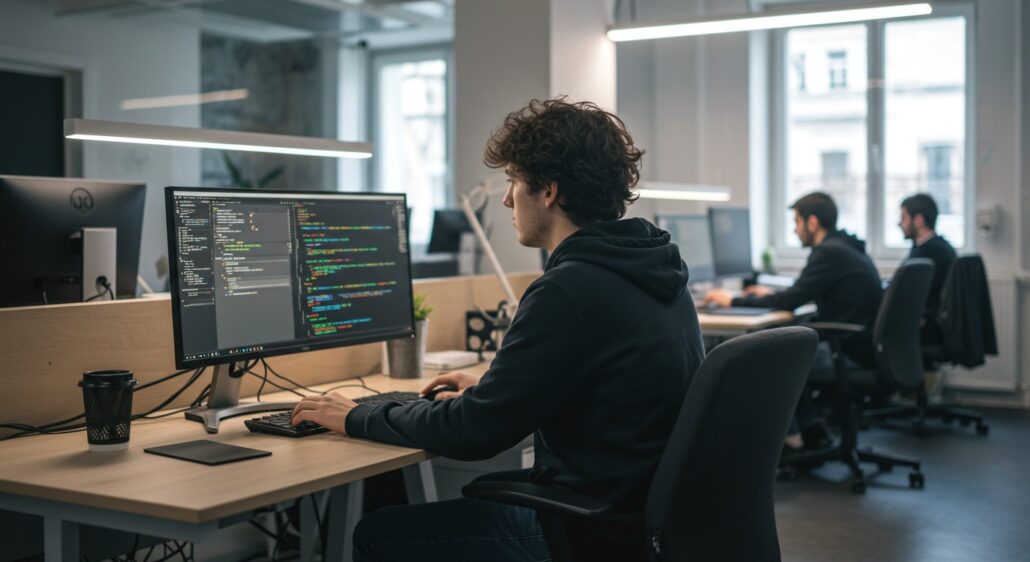
Introduction: The Rise of AI Web Creators
In recent years, the digital landscape has witnessed a significant shift with the emergence of AI web creators. These innovative platforms harness artificial intelligence to design and build websites rapidly and at a fraction of the cost of traditional web design services. Business owners, particularly small and medium-sized enterprises, have found these tools increasingly appealing due to their affordability and ease of use. Many of these AI-driven solutions require minimal technical knowledge, allowing even those without a background in web design to create a functional online presence quickly.
Furthermore, the growing demand for online visibility has accelerated the integration of AI web creators in various industries. Companies eager to establish or enhance their digital footprint are often drawn to the promise of instant results. This rush towards automation presents a paradox; while AI can deliver efficiency and speed, it also raises concerns about the quality and uniqueness of the web design produced. The templates and designs generated by AI often lack the personal touch and customization that come with hiring a professional designer who can understand a brand’s values, target audience, and specific business goals.
While AI web creators can offer a convenient solution for businesses looking to launch quickly, particularly in competitive markets, it is vital to consider the limitations inherent in these tools. The reliance on automated systems can lead to generic designs that do not stand out in an oversaturated digital landscape. As we delve further into the drawbacks of depending solely on AI for web design, it becomes essential for business owners to weigh the benefits of time and cost against the need for a unique and strategically crafted online presence.
Limitations of AI Web Creators
AI web creators have revolutionized the way websites are developed, offering quick and often affordable solutions. However, their limitations become evident when compared to the expertise of professional web designers. One of the primary constraints of AI-generated websites is the lack of creative flexibility. AI operates on predefined algorithms and templates, which restricts its ability to produce truly innovative designs that resonate with a brand’s unique vision. This rigidity can lead to a lack of authenticity, leaving businesses with generic websites that do not stand out in a crowded market.
Moreover, AI web creators typically offer a limited range of styles and layouts. This can result in websites that appear similar, making it challenging for brands to establish a distinct online presence. In contrast, professional web designers bring a wealth of experience and artistic insight, allowing them to craft bespoke designs tailored to the specific needs and identity of a business. They understand that effective web design is more than just aesthetics; it conveys a brand’s ethos and engages its target audience in ways that automated systems cannot replicate.
Furthermore, AI tools may struggle to interpret and represent a brand’s unique identity adequately. Effective branding requires a deep understanding of the company’s values, mission, and audience. While AI can analyze data and trends, it lacks the human ability to tell a compelling story that connects emotionally with users. This disconnect can hinder the creation of a cohesive and impactful online narrative, ultimately damaging a brand’s ability to communicate its message effectively.
In summary, while AI web creators offer convenience and cost savings, their limitations, especially in creativity and understanding brand identity, highlight the necessity of investing in professional web design services for tailored and effective online solutions.
The Value of Human Creativity in Design
In the realm of web design, the significance of human creativity cannot be overstated. Unlike AI web creators, which generate designs based on algorithms and predefined templates, professional web designers possess the innate ability to think outside conventional frameworks. This creativity allows them to produce unique, visually appealing websites that resonate with a business’s specific goals, target audience, and branding strategy.
The human touch in web design manifests through a deep understanding of the client’s vision, which is often multifaceted and nuanced. Professional designers engage in thorough consultations to capture the essence of the client’s brand identity and customer expectations. This process ensures that the resulting website is not merely functional but also reflects the emotional and cultural dimensions of the brand. By employing innovative design techniques and artistic sensibility, human designers can craft tailored experiences that engage users and foster brand loyalty.
Furthermore, human designers are adept at translating complex ideas into intuitive visual representations. Their creativity enables them to experiment with color schemes, typography, and layout in ways that align with current trends while also adhering to timeless design principles. This balance is crucial as it not only attracts visitors but also ensures usability and accessibility. The craftsmanship displayed in bespoke designs often surpasses what AI can offer, as it can convey subtle messages and invoke emotions, thereby creating a deeper connection with the audience.
Ultimately, while AI web creation tools can provide speed and convenience, they lack the personal touch and imaginative insight that a professional web designer brings to the table. The value of human creativity in web design is evident in its ability to create truly unique websites that encapsulate a business’s goals and connect meaningfully with its audience.
Understanding Client Needs: The Human Touch
In today’s digital landscape, the choice between a professional web designer and AI web creators has significant implications for businesses and individuals seeking to establish a strong online presence. One of the most critical aspects distinguishing these two approaches lies in the understanding of client needs. While AI web creators offer rapid solutions, they often lack the nuanced understanding that a human web designer provides. Professionals in the field, such as those at iglobalweb.com, prioritize personalized communication, which plays a pivotal role in achieving effective design outcomes.
Effective web design begins with a comprehensive understanding of the client’s unique requirements, preferences, and challenges. Professional designers engage in detailed conversations with clients, asking pertinent questions that uncover underlying needs which may not be immediately apparent. This dialogue fosters a collaborative environment, allowing for the formulation of ideas that reflect not only the client’s vision but also their target audience. Unlike AI, which often analyzes input data generically, human designers can interpret subtleties in client feedback, ensuring a more tailored approach.
Furthermore, the emotional intelligence that a professional web designer brings cannot be underestimated. They can empathize with clients, considering their psychological motivations and business objectives. This connection facilitates the development of designs that resonate deeply with users, ultimately enhancing user experience and engagement. A professional’s capacity to adapt design concepts based on evolving client feedback allows for a more iterative process, leading to refined and successful results.
In conclusion, the importance of personal connection in web design cannot be overstated. A professional web designer’s ability to engage with clients meaningfully leads to a deeper understanding of their needs, resulting in more effective design solutions. Investing in such expertise not only facilitates superior website quality but also strengthens the client-designer relationship, ensuring a collaborative and successful outcome.
Technical Expertise and Ongoing Support
In the rapidly evolving digital landscape, the technical expertise of a professional web designer holds paramount importance. Unlike AI-powered web creators, which may offer automated solutions, professional web designers bring a wealth of knowledge in various aspects of web development. This includes proficiency in coding languages such as HTML, CSS, and JavaScript. Such skills enable designers to develop websites with bespoke functionalities that are tailored to meet specific business needs and enhance user experience. In addition to coding, understanding the underlying framework of web technologies allows professional designers to troubleshoot issues effectively and implement custom features that AI solutions may not readily offer.
Moreover, a professional web designer implements robust SEO strategies during the design process. Search Engine Optimization is crucial for ensuring that a website ranks well in search engine results, thereby driving organic traffic. Professional designers are equipped with the latest SEO techniques, including on-page optimization, keyword integration, and understanding of user behavior analytics. These strategies are essential for creating a web presence that is not only visually appealing but also competitive in search engine rankings.
Another significant advantage of hiring a professional web designer is the ongoing support and maintenance they provide. This aspect is often overlooked in automated solutions, which do not offer continuous updates or personal assistance. A professional web design company typically provides ongoing maintenance services that include regular site backups, security updates, performance optimization, and troubleshooting. This dedication to customer service ensures that websites remain functional, secure, and aligned with the latest web standards over time. As businesses grow and their goals evolve, professional web designers can adapt and improve the website accordingly, ensuring that it continues to serve its purpose effectively.
SEO Benefits of Working with Professionals
When it comes to establishing a robust online presence, the role of a professional web designer is paramount, particularly concerning Search Engine Optimization (SEO). Unlike AI web creators, professional web designers possess the expertise needed to implement effective SEO strategies from the ground up. They understand the nuances involved in optimizing various elements of a website, ensuring that every aspect contributes to improved visibility in search engine results.
A professional web designer will take into account key SEO factors, such as site architecture, mobile responsiveness, and page load speed. These elements are crucial, as search engines prioritize user experience. By utilizing best practices in these areas, web designers can create sites that are not only aesthetically pleasing but also perform well in search engine rankings. This comprehensive approach allows for better indexing by search engines, ensuring that potential customers can discover the website easily.
Furthermore, professional web designers are adept at crafting quality content and integrating strategic keyword placements. They are seasoned in understanding the importance of relevant keywords, synonyms, and semantic equivalents. This knowledge aids in producing informative and engaging content that appeals to both users and search engine algorithms. The result is a website built with SEO best practices in mind, which can lead to increased website traffic over time.
Additionally, professionals are skilled at leveraging off-page SEO techniques, such as link-building and social media integration. These strategies contribute to a website’s overall authority and reputation, making it more attractive to search engines. In contrast, AI-generated websites may lack this level of optimization and strategic planning, resulting in missed opportunities for visibility and audience reach.
The Importance of User Experience (UX) Design
User Experience (UX) design plays a pivotal role in determining the usability and overall effectiveness of a website. It encompasses every aspect of the interaction that a user has with a digital product, aiming to create a seamless, enjoyable experience. Professional web designers understand that a well-crafted UX is essential in attracting and retaining users, leading to higher engagement rates and customer satisfaction.
One of the key advantages of hiring a professional web designer is their ability to develop user-centered designs. Unlike AI-driven web creators, which often prioritize speed and efficiency, professional designers invest time in understanding the target audience’s behaviors, needs, and expectations. This understanding is crucial for creating intuitive navigation, clear layouts, and responsive design elements that cater to a diverse user demographic.
Moreover, UX design involves an iterative process of testing, feedback, and refinement. Professional designers conduct usability tests to gain insights into how real users interact with a site. This data-driven approach enables them to identify potential pain points or friction areas within the user journey. By addressing these issues proactively, they can enhance overall functionality, ultimately fostering greater user satisfaction and loyalty.
In contrast, AI web creators often provide generic templates devoid of meaningful user interaction considerations. While these tools may generate a basic website quickly, they typically fall short in the nuances of UX design that only experienced professionals can deliver. Elements such as emotional engagement, accessibility, and aesthetic appeal contribute significantly to a user’s experience and are intricacies that AI may overlook. Thus, opting for a professional web designer ensures that the website not only looks appealing but is also functional and user-friendly, which is essential in the competitive online landscape.
Long-Term Value vs. Short-Term Savings
In the rapidly evolving landscape of web design, businesses are often confronted with the choice between utilizing professional web designers or opting for AI web creation tools. While the allure of short-term savings associated with AI solutions is tempting, the long-term value provided by professional web design services is paramount for sustainable success. Investing in a custom-designed website not only ensures that the site aligns with the brand’s vision but also contributes significantly to its scalability and adaptability over time.
One of the foremost advantages of hiring professional web designers is their capacity to create scalable websites. As businesses grow and evolve, their digital needs change. Professional designers possess the expertise to anticipate future requirements and build websites that can easily accommodate additional features, enhanced functionalities, and increased traffic without necessitating an entire redesign. Conversely, AI-created websites often lack this foresight and may lead to costly modifications down the line as businesses strive to keep pace with market demands.
Moreover, a tailored web design can incorporate custom functionalities specific to a business’s operations—something that generic AI solutions may not readily offer. This customization not only improves the user experience but also enhances operational efficiency, which can significantly boost return on investment (ROI). For instance, features such as e-commerce integrations, customer relationship management (CRM) tools, and unique user interfaces can be seamlessly implemented by professionals to directly support business objectives, driving sales and customer engagement.
Ultimately, while AI web creators may present an attractive financial proposition, the potential drawbacks can lead to higher costs in the long run. Given the critical importance of an effective online presence in today’s digital marketplace, investing in professional web design represents a commitment to quality and sustainability, yielding benefits that surpass initial monetary savings.
Conclusion: Making the Right Choice for Your Business
In the digital age, the presence of a well-crafted website is indispensable for any business seeking success and growth. While AI web creators offer a budget-friendly alternative to traditional web design, the implications of choosing such services should not be overlooked. As outlined in this blog post, the differences between AI-generated websites and those designed by professional web designers are clear and significant.
The customization intricacies that a skilled web designer brings to the table provide a level of uniqueness and brand alignment that automated systems typically cannot match. Professional designers have the advantage of understanding the nuances of user experience, ensuring that each design element serves a purpose and enhances the overall functionality of the website. This bespoke approach results in a website that not only looks distinctive but is also tailored to meet specific target audience needs.
Additionally, professional web designers offer ongoing support and updates which are vital in the fast-evolving digital landscape. In contrast, AI solutions may lack the flexibility and adaptiveness required to keep pace with changing trends, technology, and business goals. Furthermore, a professional designer’s expertise extends to SEO optimization, critical for boosting visibility and drawing potential customers to your site, an aspect often overlooked by AI alternatives.
Ultimately, the decision between using AI web creators or opting for professional web design should be driven by careful consideration of a business’s individual requirements, budget constraints, and long-term objectives. A well-designed website serves as a powerful tool in establishing brand identity, attracting and retaining customers, and achieving business success. Therefore, investing in professional web design is likely to yield more significant returns in building a robust online presence.